


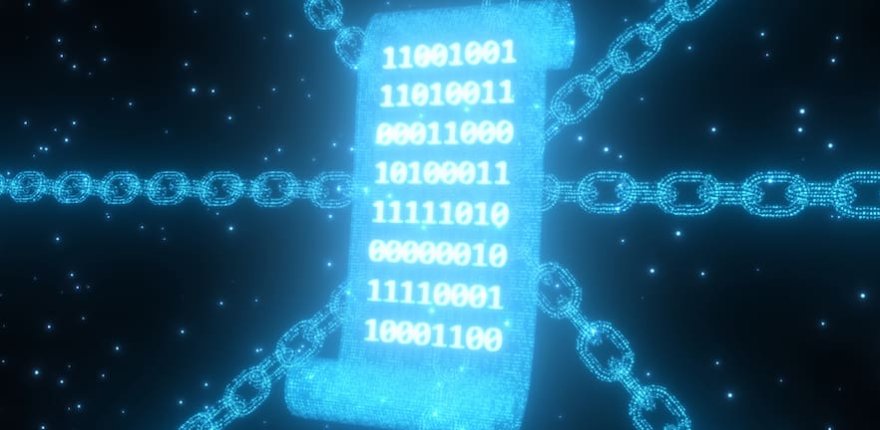
Smart contracts are digital agreements that carry out actions automatically when set conditions are met. They’re changing how legal documents are created and enforced.
In this article, we explain how smart contracts work, where they’re used, and how they apply to legal agreements. We also share real-world examples and highlight their main benefits.
A smart contract is a computer program that automatically executes when certain terms or conditions of an agreement are met. Smart contracts are stored on a decentralized blockchain network, with the buyer and seller terms being written directly into code.
The most popular smart contract coding language is Solidity, which is heavily inspired by JavaScript.
Some of the largest cryptocurrencies in the world are smart contract cryptos, including Ethereum (ETH) and Cardano (ADA). Keep reading our explainer guide to learn more about smart contracts as well as their benefits and applications.
Smart Contracts for Legal Agreements
Smart contracts are legally binding and enforceable if they follow contract law, and they can be used to automate workflows, triggering an action when predetermined conditions are met.
For example, they can release payments when a service is delivered or notify parties when deadlines are missed. This removes the need for manual approval or third-party involvement.
Smart contract development is used in all legal areas, including real estate, finance, and healthcare.
Electronic signatures, made legally valid by laws like E-SIGN and UETA, are a key part of this automation. They allow contracts to be signed instantly online, reducing delays and paperwork.
When a smart contract detects a valid signature, it can automatically move the process forward. Examples include recording the agreement or triggering the next step in a legal workflow. This keeps everyone involved updated in real time and eliminates the need for follow-up or outside coordination.
Smart contract legality has been tested nationally and internationally. They provide security for individuals and businesses who must negotiate at arm’s length but still be sure of the safety of their data.
Examples of Smart Legal Contracts
Smart contracts can be used for a variety of different purposes and in a wide range of fields, from supply chain management and healthcare to gaming and art. Users of all types can engage in peer-to-peer transactions using smart contracts, and these use cases are only expected to expand with time.
Below are some notable uses of smart contracts today:
- Government voting systems: To protect the voting system from manipulation. Votes using smart contracts are more difficult to decode because they are ledger-protected. They may also increase voter turnout by simplifying the voting process.
- Healthcare: To store encoded patient health records with private keys. Research can also be conducted more confidentially and securely when using smart contracts.
- Supply chain: To automate payments and inventory management, decreasing the necessity of multiple channels of approvals.
- Financial services: To perform bookkeeping, routing, payment transfer, and error-checking. They can also increase transparency for shareholders and assist in trade clearing or protecting against the infiltration of accounting records.
- International trade: To reduce friction and risk while simplifying the trade process and expanding trade opportunities for different stakeholders.
What Is a Smart Contract in Blockchain?
A blockchain is a secure, digital ledger that records transactions in sequence, and NFTs work within it to protect smart contracts from theft and fraud.
A smart contract in blockchain puts the contract terms into a series of commands to automate the blockchain sequence. Once the sequence is complete, it is trackable (ledgered) and irreversible. The US Department of Homeland Security is investigating the use of smart contracts in blockchain to prevent forgery and counterfeiting.
There are several convenient uses of smart contracts, such as NFT ticketing services and NFT automatic payment services:
NFT ticketing
Smart contracts can issue NFT tickets automatically after payment, cutting costs and preventing scams. This speeds up delivery and improves the ticketing experience for both buyers and organizers.
NFT automatic payment system
Smart contracts can link NFTs to automatic payments for creators. For example, each time a piece of digital artwork is resold, the artist gets paid instantly. This helps guarantee artists receive fair, recurring income. It also cuts out the need for manual tracking or third-party help.
Benefits of Smart Contracts
Smart contracts offer several benefits to users. They can help make legal processes faster, safer and more efficient:
- The decentralized nature of blockchain contracts means they are more autonomous, and no outside party is required in the process
- They provide proof of transactions through unalterable ledgers.
- There is transparency as transaction records are shared across participants, making the alteration of information less likely.
- The transactions are faster due to the lack of intermediaries.
- The process is more accurate and cheaper since it is fully automated.
- Smart contracts duplicate all transactions so all parties have a record of the process.
Helpful Resources:
Mondaq - United States: Smart Supply Chains Using Smart Contracts
Smart contracts are digital agreements that carry out actions automatically when set conditions are met. They’re changing how legal documents are created and enforced.
In this article, we explain how smart contracts work, where they’re used, and how they apply to legal agreements. We also share real-world examples and highlight their main benefits.
A smart contract is a computer program that automatically executes when certain terms or conditions of an agreement are met. Smart contracts are stored on a decentralized blockchain network, with the buyer and seller terms being written directly into code.
The most popular smart contract coding language is Solidity, which is heavily inspired by JavaScript.
Some of the largest cryptocurrencies in the world are smart contract cryptos, including Ethereum (ETH) and Cardano (ADA). Keep reading our explainer guide to learn more about smart contracts as well as their benefits and applications.
Smart Contracts for Legal Agreements
Smart contracts are legally binding and enforceable if they follow contract law, and they can be used to automate workflows, triggering an action when predetermined conditions are met.
For example, they can release payments when a service is delivered or notify parties when deadlines are missed. This removes the need for manual approval or third-party involvement.
Smart contract development is used in all legal areas, including real estate, finance, and healthcare.
Electronic signatures, made legally valid by laws like E-SIGN and UETA, are a key part of this automation. They allow contracts to be signed instantly online, reducing delays and paperwork.
When a smart contract detects a valid signature, it can automatically move the process forward. Examples include recording the agreement or triggering the next step in a legal workflow. This keeps everyone involved updated in real time and eliminates the need for follow-up or outside coordination.
Smart contract legality has been tested nationally and internationally. They provide security for individuals and businesses who must negotiate at arm’s length but still be sure of the safety of their data.
Examples of Smart Legal Contracts
Smart contracts can be used for a variety of different purposes and in a wide range of fields, from supply chain management and healthcare to gaming and art. Users of all types can engage in peer-to-peer transactions using smart contracts, and these use cases are only expected to expand with time.
Below are some notable uses of smart contracts today:
- Government voting systems: To protect the voting system from manipulation. Votes using smart contracts are more difficult to decode because they are ledger-protected. They may also increase voter turnout by simplifying the voting process.
- Healthcare: To store encoded patient health records with private keys. Research can also be conducted more confidentially and securely when using smart contracts.
- Supply chain: To automate payments and inventory management, decreasing the necessity of multiple channels of approvals.
- Financial services: To perform bookkeeping, routing, payment transfer, and error-checking. They can also increase transparency for shareholders and assist in trade clearing or protecting against the infiltration of accounting records.
- International trade: To reduce friction and risk while simplifying the trade process and expanding trade opportunities for different stakeholders.
What Is a Smart Contract in Blockchain?
A blockchain is a secure, digital ledger that records transactions in sequence, and NFTs work within it to protect smart contracts from theft and fraud.
A smart contract in blockchain puts the contract terms into a series of commands to automate the blockchain sequence. Once the sequence is complete, it is trackable (ledgered) and irreversible. The US Department of Homeland Security is investigating the use of smart contracts in blockchain to prevent forgery and counterfeiting.
There are several convenient uses of smart contracts, such as NFT ticketing services and NFT automatic payment services:
NFT ticketing
Smart contracts can issue NFT tickets automatically after payment, cutting costs and preventing scams. This speeds up delivery and improves the ticketing experience for both buyers and organizers.
NFT automatic payment system
Smart contracts can link NFTs to automatic payments for creators. For example, each time a piece of digital artwork is resold, the artist gets paid instantly. This helps guarantee artists receive fair, recurring income. It also cuts out the need for manual tracking or third-party help.
Benefits of Smart Contracts
Smart contracts offer several benefits to users. They can help make legal processes faster, safer and more efficient:
- The decentralized nature of blockchain contracts means they are more autonomous, and no outside party is required in the process
- They provide proof of transactions through unalterable ledgers.
- There is transparency as transaction records are shared across participants, making the alteration of information less likely.
- The transactions are faster due to the lack of intermediaries.
- The process is more accurate and cheaper since it is fully automated.
- Smart contracts duplicate all transactions so all parties have a record of the process.
Helpful Resources:
Mondaq - United States: Smart Supply Chains Using Smart Contracts
Most Popular Posts

Some states require a motor vehicle bill of sale form; others do not. Even if only for your personal records, anyone who buys or sells a vehicle needs
t’s a topic that no one likes to think about. But do you know who will make decisions about your property, finances, or medical care if you...